
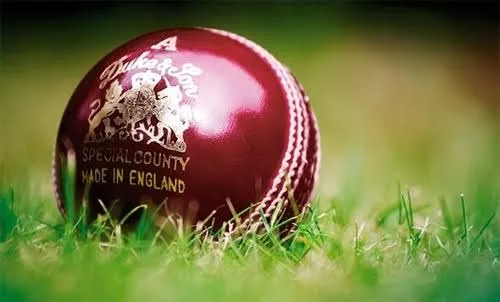
The red cricket ball is one of the most recognisable objects in the traditional form of the game. It does not attract the same attention as a new bat or a dramatic fast bowler, yet its condition can influence an entire session. Captains set fields around what it is doing, bowlers spend overs trying to preserve one side, and batters constantly judge how much movement to expect.
A test cricket ball is designed for the demands of the longest format, where the same ball may be used through extended passages of play. Its behaviour changes as the surface wears, and that ageing process is part of Test cricket’s tactical depth.
Visibility Is Only Part of the Story
A common question is why red ball is used in test cricket. Tradition plays a role, and visibility in daylight has historically been important, but the answer also involves the way the ball is used across long innings and changing conditions.
Test cricket places unusual demands on durability. The ball must remain suitable for play over many overs while gradually changing in appearance and behaviour. That change gives bowlers and batters a moving problem rather than a fixed one.
The New Ball Offers Different Possibilities
When a red ball is new, the seam is usually more pronounced and the surface is in its best condition. Fast bowlers might seek to swing through the air or to move off the pitch, especially when the atmospheric and surface conditions are conducive.
Batters tend to play more carefully. It may be important early in an innings to leave the ball off stump, play late and restrict dangerous drives. A good opening spell is not always calculated only by wickets; forcing batters to defend and making uncertainty can be valuable too
Ball Care Becomes Part of the Contest
As overs pass, teams pay close attention to the ball’s condition within the laws of the game. Fielders may return the ball carefully and bowlers often try to maintain a difference between the two sides of its surface.
This is not a cosmetic concern. The condition of the ball can affect movement through the air. It also creates a collective responsibility: a bowler may benefit later from work done by teammates throughout the session.
Older Balls Change the Balance
Once the ball loses some of its initial hardness and shine, scoring can become easier on some pitches. Seam movement may reduce, and batters who survive the opening spell often find more opportunities to play freely.
That does not mean the older ball is harmless. Reverse swing can become a factor in suitable conditions, and spinners may prefer a ball that offers them a different grip and response from the surface. The pitch itself is also ageing, so the interaction between ball and surface keeps changing.
Day-Night Tests Add Another Layer
Some Test matches are played partly under lights and may use a different coloured ball, most notably pink, to improve visibility. Those matches show that ball colour is connected to playing conditions rather than being a purely decorative choice.
The important point is that Test cricket does not use one type of ball simply because “it always has.” Equipment, light, durability and the character of the format all influence the choice.
Why Spectators Should Watch the Ball’s Condition
Following the age of the ball makes Test cricket easier to understand. A captain taking the second new ball, a bowler suddenly finding swing or a batter attacking before the next ball change are tactical decisions linked to equipment condition.
It also explains why Test cricket can shift without a change in personnel. The same bowler on the same pitch may look far more dangerous with a newer or differently conditioned ball.
For spectators, keeping an eye on the over count can add context before the commentators even mention a possible ball change.
Conclusion
The red ball is central to Test cricket because it changes with the match. Its seam, surface and age influence bowling plans, batting decisions and captaincy across long periods of play. That evolving challenge is one reason the format remains tactically rich.
Readers interested in the equipment and rules behind the longer game can find more cricket explainers on sportsgotec.com, including guides focused on balls, formats and playing conditions.
